
A Picture is Worth a Thousand Words
Understanding Expectations and Mapping Preferences for Writing Classroom Design
Project Overview & Approach
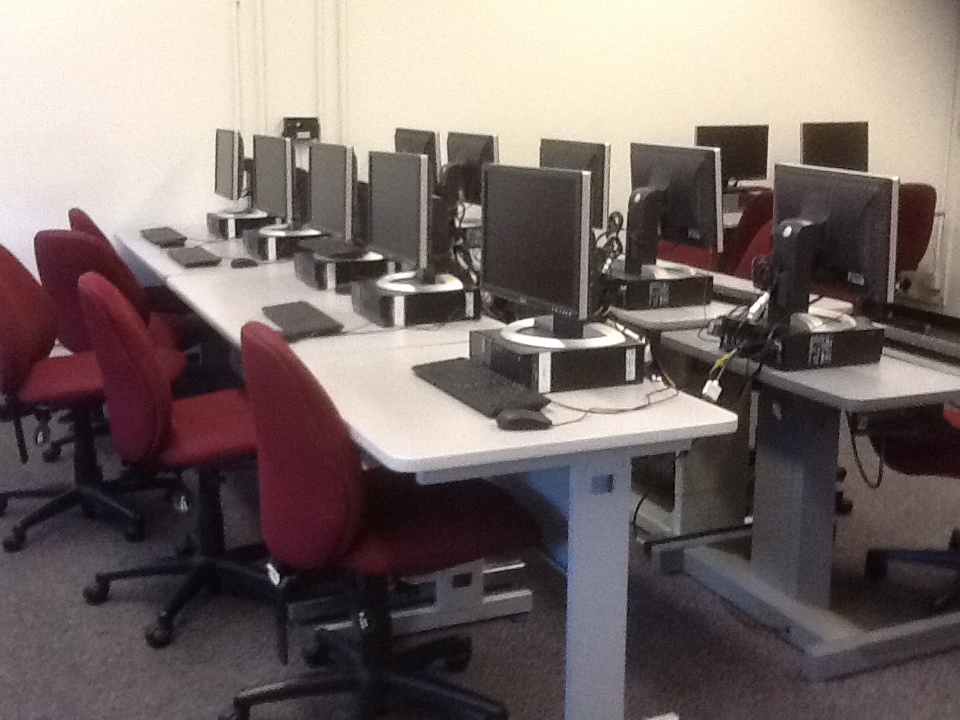
Technology-rich classrooms had become the default environment for teaching writing at many higher-education institutions. Yet over time, these classrooms—filled with institution-provided desktops and laptops—became expensive to maintain, increasingly outdated, and misaligned with how students actually preferred to write.
In response, Dana co-led a long-term research initiative to understand how students perceive, use, and navigate writing classrooms—especially as the program transitioned to a bring-your-own-technology (BYOT) model.
The goal was clear:
Design sustainable, flexible, user-centered learning spaces that support modern writing instruction and real student behavior.
The project combined surveys, conceptual mapping, ethnographic inspiration, and analysis of learning space theory to uncover how classroom design influences comfort, engagement, expectations, and teaching practices.
This work laid the foundation for reimagining writing classrooms across the university and directly influenced space redesign decisions.

Exploratory Understanding
1. Student Expectations Survey (N = 371)
At the start of the semester, first-year writing students completed a survey exploring their expectations for classroom design, teaching style, and technology use.
Key findings included:
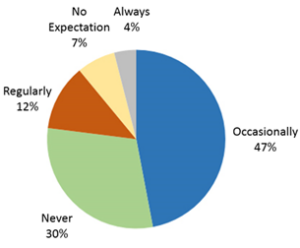
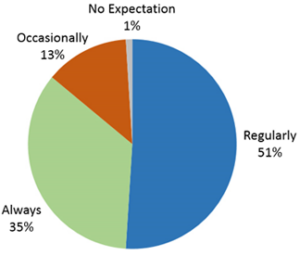
73% expected to use their own laptop regularly or always
77% did not expect to be in a computer lab
86% expected frequent lectures, suggesting strong internalized assumptions about teacher-centered learning
The survey revealed a tension between students’ desire for mobility and autonomy—and their default expectations about traditional classroom structure.
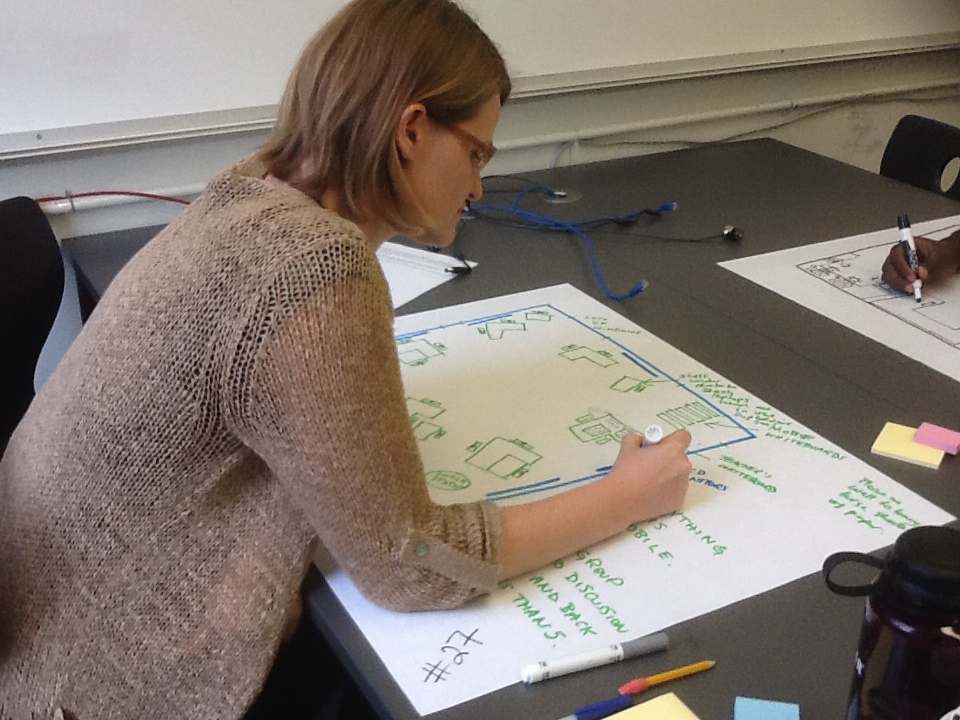
2. Conceptual Mapping Workshops (N = 24 students)
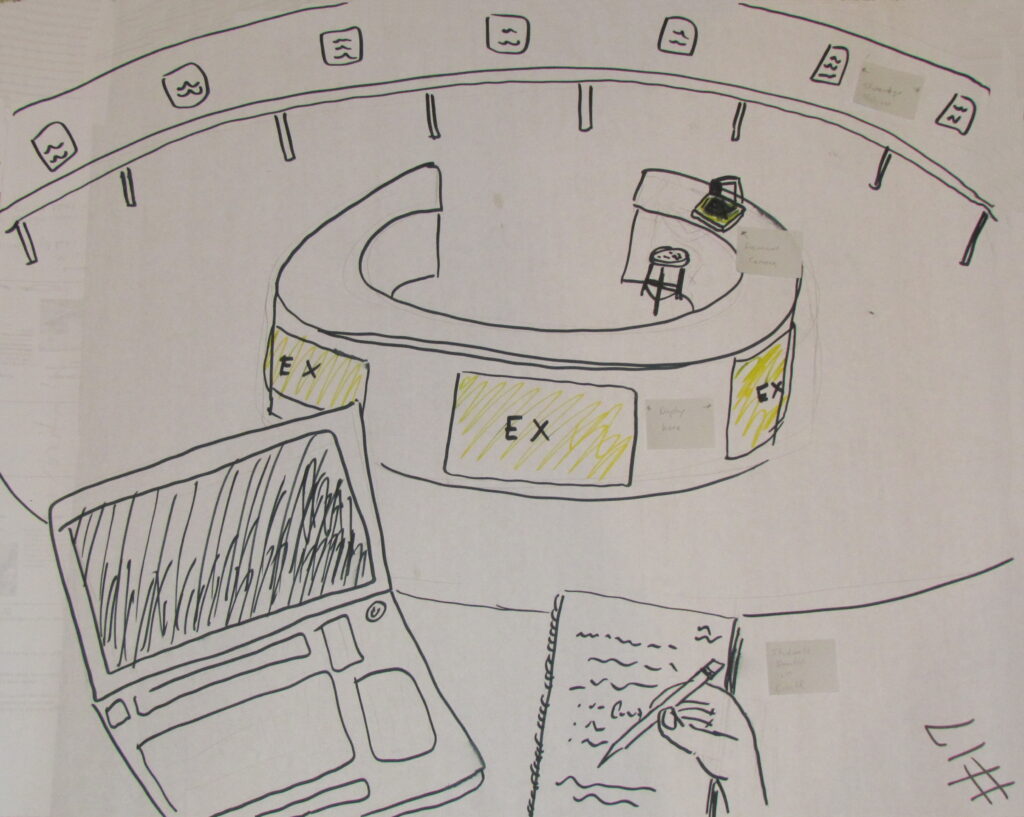
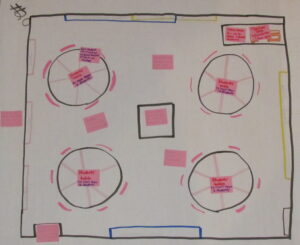
Students were invited to design their ideal writing classroom using charrette-style concept mapping techniques. This method, inspired by urban planning and participatory design, illuminated unspoken preferences and mental models.
Students’ maps highlighted:
Desired furniture mobility for group work
Preference for soft seating, windows, and natural light
Inclusion of student-owned technology, and often no institution-provided devices
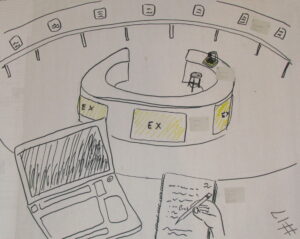
Frequent placement of instructors in front-of-room positions, despite interest in more active learning models
This exercise surfaced the contradictions between comfort, movement, and entrenched expectations of authority in classroom space.
3. Literature-Informed Framing
The analysis drew heavily on learning space scholarship (Boys, Foster & Gibbons, Reynolds, Hunley & Schaller) to connect student perceptions with broader theories of space, identity, and pedagogy.
This context strengthened the research’s ability to inform institutional decisions around learning space design.
Dana’s research surfaced several insights that drove direction:
1. Students rely on their own technology—physically and cognitively
The assumption that students prefer institution-provided computers is outdated. Students want their devices, their configurations, and their workflows.
2. Mobility is crucial for engagement
Students repeatedly designed classrooms with mobile desks and chairs, indicating a desire for active collaboration, movement, and flexible learning zones.
3. Traditional expectations still shape student mental models
Even when given total freedom, students placed instructors at the front of the room. Traditional classroom hierarchies remain deeply internalized.
4. Comfort matters more than institutions assume
Soft seating, natural lighting, aesthetics, and physically welcoming spaces emerged as constants—suggesting emotional safety is foundational to learning.
5. Classroom design must reflect pedagogy, not the other way around
Redesigning a space does not automatically change behaviors. Instructors need intentional support and training to teach effectively in flexible environments.
Design Exploration
1. Transition to Flexible BYOT Classrooms
Dana’s research supported the shift away from fixed computer labs toward:
Movable furniture
Multiple screens
Writable surfaces
Student-provided technology
Configurations supporting peer review, group work, and active learning
This dramatically reduced technology replacement costs while improving user satisfaction.
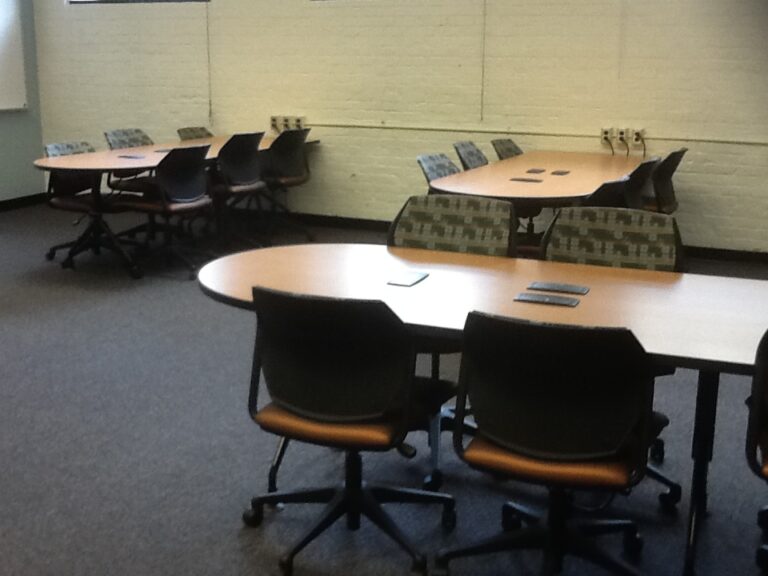
2. Redesign of Writing Classrooms for Mobility & Comfort
The redesigned pilot classroom incorporated:
Mobile tables and chairs
Mobile whiteboards
Multiple projection options
Natural light
Open layouts supporting instructors’ movement
The flexible space better supported the writing program’s pedagogical goals.
3. Data-Informed Institutional Guidance
The research culminated in practical considerations for:
Designing learning spaces that support both instructor autonomy and student comfort
Supporting students’ natural writing behaviors
Helping instructors adapt teaching to the possibilities of flexible spaces
Avoiding expensive, outdated tech provisioning
Project Milestones
2008
Launch of BYOT Classroom Pilot
Initial experiment allowing students to bring their own laptops for writing instruction.
2012–2013
Large-Scale Student Expectations Survey (N=371)
Gathered foundational data on assumptions, preferences, and technology expectations.
2012
Conceptual Mapping Workshops (N=24)
Participatory design activities led to new insights about mobility, comfort, and teacher positioning.
2013
Redesign of Flexible Writing Classroom
Integration of mobile furnishings, multiple displays, and BYOT models in a new purpose-built space.
Publication
“Making Peace with the Rising Costs of Writing Technologies”
Dana’s co-authored scholarly work connected research findings with sustainable learning space design strategies.
Citations & References
- Miller-Cochran, Susan & Gierdowski, Dana C. (2013). Making Peace with the Rising Costs of Writing Technologies: Flexible Classroom Design as a Sustainable Solution. Computers and Composition.
- Full research chapter provided in A Picture Is Worth a Thousand Words
- Foster, Nancy Fried & Gibbons, Sarah. (2007). Studying Students.
- Boys, Jos. (2011). Towards Creative Learning Spaces.
- Reynolds, Nedra. (2004). Geographies of Writing.
- Additional cited articles referenced in the case study.
- Digital Rhetoric Collaborative
Let’s Connect!
Explore my latest updates on Linkedin or review my resume for more detail.